
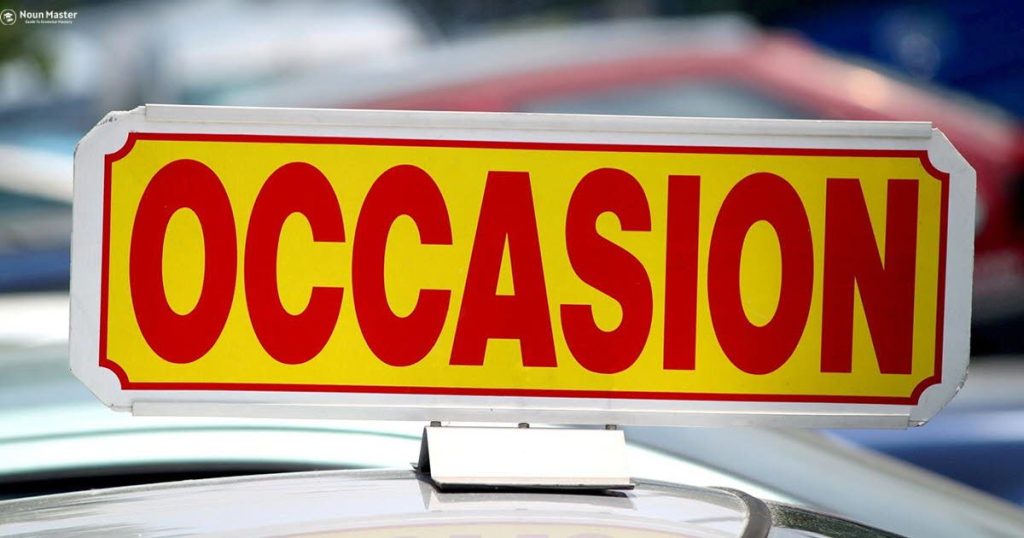
An occasion or occassion is a special time for celebration. It can be a birthday, wedding, festival, or any meaningful event. People prepare for an to make it memorable. They invite family and friends. Some occasions or occassions are big, while others are small. No matter the size, an occasion brings happiness and togetherness.
Every occasion or occassion needs planning. Decorations, food, and music make an special. Some people wear fancy clothes for an occasion or occassion. Others prefer a simple gathering. A joyful creates lasting memories. People exchange gifts, enjoy good food, and share laughter. An occasion or occassion can be personal or public. It can be formal or casual. Every occasion or occassion has meaning. It brings people closer and makes life special. No matter the event, an is always worth celebrating.
Understanding the Correct Spelling Occasion or Occassion?
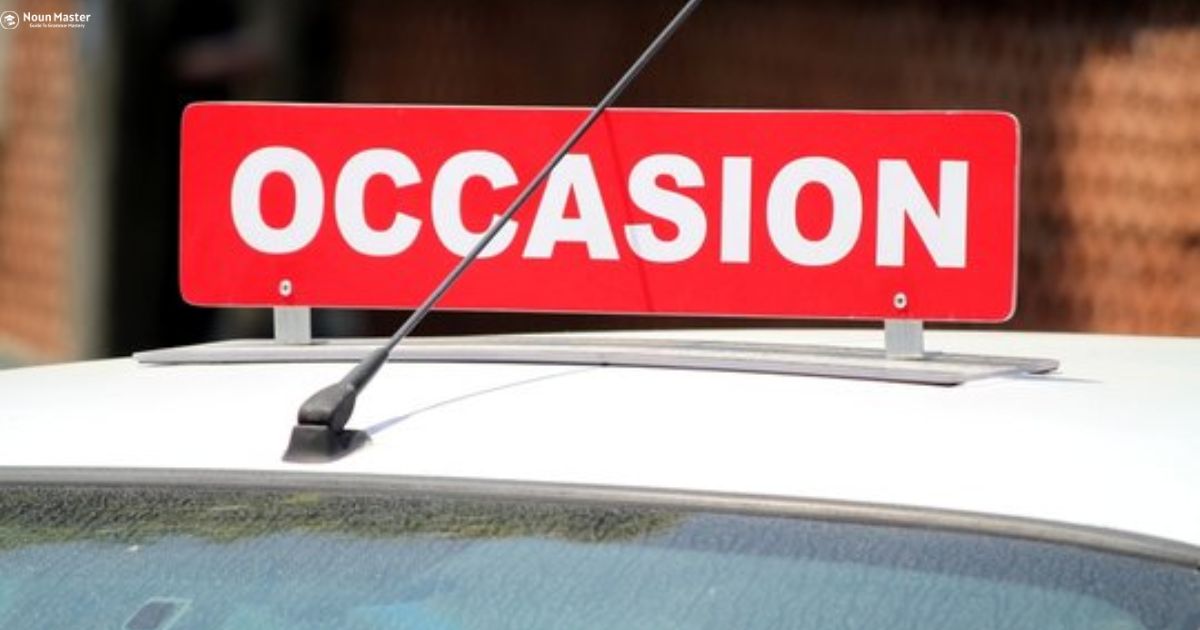
Many people often wonder whether the correct spelling is “occasion” or “occassion.” This confusion arises because the word is frequently misspelled due to its pronunciation. The correct spelling is “occasion” with a single “s.” The incorrect spelling, “occassion,” with a double “s,” is a common mistake. English words can sometimes be tricky, and this is a prime example of how similar sounds can lead to incorrect spelling.
To avoid mistakes, it’s essential to understand the origin and structure of the word. “Occasion” comes from the Latin word “occasio,” which also has a single “s.” Recognizing this root can help reinforce the correct spelling.
Read More:Olave or Cooper: Who is the Better Fantasy Football Choice?
Why Do People Misspell Occasion as Occassion?
Many people misspell “occasion” as “occassion” because of confusion with double letters. English spelling rules can be tricky, and some words follow patterns where double letters are common. Since words like “possession” and “progression” have double “s,” people assume “occasion” should, too. The pronunciation also plays a role—because the “s” sound is strong, it seems like there should be two “s” letters.
Another reason is habit and autocorrect. If someone learns the wrong spelling early, they may keep using it. Fast typing can also lead to extra letters. To avoid mistakes, it helps to remember that “occasion” has one “s,” just like “location” and “vacation.”
Definition and Meaning of Occasion
Before we dive deeper into the debate, let’s define “occasion.”
An occasion is:
- A particular event or happening (e.g., “The wedding was a joyous occasion.”)
- A reason or cause for something (e.g., “She had no occasion to doubt his honesty.”)
- A suitable time for something (e.g., “On this occasion, we celebrate success.”)
Common Uses of Occasion
Understanding how to use correctly can help avoid errors in writing. Here are some examples:
- “We gathered for a special occasion, not just an ordinary day.”
- “The party was planned for this exact occasion.”
- “Every birthday is an occasion to celebrate.”
Occasion or Occassion: Spelling Rules to Remember
If you’re unsure about , remember these spelling rules:
- Occasion follows the pattern of words like “decision” or “precision.”
- The root comes from the Latin “occasio,” which has only one ‘s’.
- Always spell-check if you hesitate between occasion or occassion.
Occasion vs. Other Commonly Misspelled Words
Along with , here are other frequently misspelled words:
- Accommodate (not “accomodate”)
- Necessary (not “neccessary”)
- Occasion (not “occassion”)
Memorizing these will help improve your writing accuracy.
Tips to Never Confuse Occasion or Occassion Again
Want to avoid mistakes with occasion or occassion? Follow these tips:
- Remember: one ‘s’, never two.
- Break it into syllables: oc-ca-sion.
- Use mnemonic devices: “Only one ‘s’ in occasion saves stress.”
Common Mistakes in English Spelling
Misspelling words like is common, but why does it happen? English has borrowed words from many languages, leading to irregular spelling patterns. Here are a few reasons people get confused:
- Pronunciation vs. Spelling: Many words don’t sound exactly as they are spelled. This leads to extra or missing letters.
- Word Origins: Some words, like “occasion,” come from Latin and retain tricky spelling patterns.
- Autocorrect & Spellcheck Dependence: Many rely too much on spellcheckers, leading to repeated errors.
The Impact of Misspelling Words Like Occasion
Misspelling can affect communication. Here’s how:
- Professionalism: Incorrect spelling in emails, documents, or resumes can make a negative impression.
- SEO & Online Writing: If you write blogs or social media posts, correct spelling helps search engines recognize your content.
- Credibility: Proper spelling builds trust and authority in writing.
How to Improve Your Spelling Skills
If you’re struggling with words like occasion or occassion, try these methods:
1. Read More Often
Exposure to correctly spelled words strengthens memory. Books, articles, and reputable online content can help reinforce correct spelling.
2. Use Spelling Apps & Tools
Apps like Grammarly or dictionary websites provide instant corrections and explanations.
3. Write by Hand
Writing helps reinforce correct spelling. Try keeping a journal or rewriting difficult words multiple times.
4. Break Words into Parts
For example:
- Oc-ca-sion (Three syllables, one ‘s’)
- Ac-com-mo-date (Double ‘c’ and ‘m’)
5. Practice with Quizzes
Online spelling quizzes are a fun way to reinforce learning. Challenge yourself with daily spelling tests.
Occasion or Occassion in Different Contexts
Formal Writing
In academic and business settings, correct spelling is crucial. Always double-check for errors before submitting important documents.
Casual Writing
While typos in informal writing (like texting) are common, consistently misspelling words can create bad habits.
SEO and Online Presence
Using the correct spelling of occasion in blogs, social media, and marketing ensures better visibility in search results.
Fun Facts About the Word Occasion

- Origin: “Occasion” comes from the Latin word “occasio,” meaning “opportunity.”
- Usage in Literature: The word appears in classic literature, often describing significant events.
- Synonyms: Some words similar to “occasion” include “event,” “happening,” “ceremony,” and “moment.”
FAQ’s
What is the correct spelling: occasion or occassion?
The correct spelling is occasion. Many people mistakenly write occassion with two “s” letters, but that is incorrect.
Why do people misspell occasion as occassion?
People misspell occasion as occassion due to confusion with similar words. The strong “s” sound makes it seem like it should have two “s” letters.
How can I remember the correct spelling of occasion?
Think of words like location or vacation. They have one “s,” just like occasion. This trick helps avoid writing occassion by mistake.
Is occassion ever correct in any context?
No, occassion is always incorrect. The correct spelling is occasion, whether used for events, celebrations, or any other meaning.
Does autocorrect always fix occassion to occasion?
Not always. Some systems recognize occassion as a typo, but others may not. It’s best to learn the correct spelling of occasion.
Conclusion
An occasion or occassion is always special. It brings people together. No matter the reason, an occasion or occassion creates happy memories. Some occasions or occassions are big, while others are small. Every is a chance to celebrate. People enjoy food, music, and laughter during an occasion or occassion.
Planning makes an even better. Decorations, gifts, and outfits add fun to an occasion or occassion. Some people travel for an . Others celebrate at home. Every is unique. It can be simple or grand. What matters is the joy it brings. An should be remembered. No matter how you celebrate, an is always worth enjoying.